
How to Extract Audio from Your Own TikTok Videos
November 2, 2026
Christmas Content on TikTok 2026: Structure, Sounds, and How to Actually Keep Your Posts
November 5, 2026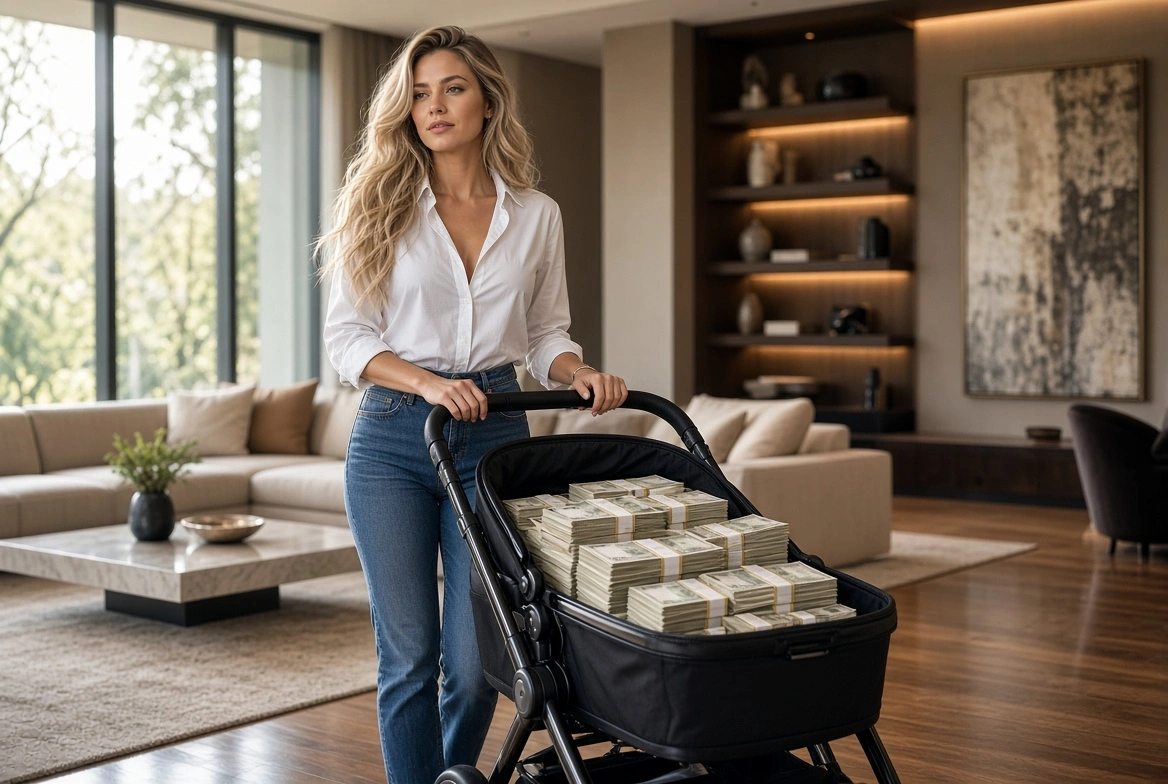
Some songs arrive on TikTok and get used in basically one way. Others become raw material that people stretch in opposite directions at the same time. Tate McRae’s “Housewife” is the second kind.
The track dropped on October 15, 2026, as the first single from her next album. Within days, the chorus — “I just wanna make a lot of money, be my own housewife” — was under dances, morning routines, money manifestation videos, chore clips, and lifestyle content. Trackers put the audio in the range of roughly 480,000 uses by early November, with the majority coming from the US, UK, and Canada. It also debuted at No. 1 on Spotify’s Global chart with over 5.6 million streams on day one. For a new pop single, the launch was clean. What made it interesting was how quickly the sound stopped belonging only to McRae.
The song is clearer than the trend.
McRae has been consistent about the idea. On The Tonight Show, she called it a song about “a woman who can’t be contained.” The lyrics are straightforward: she wants to make her own money, live comfortably, and keep a partner around because she wants him, not because she needs him to pay for anything. The bridge line “I don’t need you, I want you” sits right there in the open. The music video, shot in the south of France, leans into the fantasy with luxury settings and the image of her pushing a stroller full of cash. The single artwork does the same thing.
On paper, the message is hard to miss. On TikTok, the title and hook proved flexible enough that people started using them for almost opposite versions of “housewife.” That gap between the original meaning and how the sound is being applied is the main reason the trend has stayed in conversation instead of burning out after a week of dances.
Three main ways creators are using it
The first and most common lane treats the song roughly as written. Creators put the audio under videos about making money, building something on their own, or simply feeling like they have options. Some of these are pure manifestation content with text about future goals. Others are more ordinary — a small apartment, a work win, a normal day — while the chorus plays. These videos tend to match McRae’s version of the idea more closely. Olivia Dunne, for example, used the sound over footage of her gymnastics and modeling work with a caption about loving the song and “standing on business.”
The second lane is everyday life content that doesn’t lean hard in either direction. People film chores, getting ready, organizing a space, or moving through their morning or evening. The production is polished enough that it makes regular footage feel slightly more intentional. Because the song mentions money and lifestyle, it also works for “what I bought” or “my setup” videos without needing a heavy concept. A lot of the volume has come from this kind of low-friction post.
The third lane is the one that generated the most argument. Some creators flip the on-screen text to lines like “be my man’s housewife” or add captions about staying home, raising kids, and serving a husband. A creator named Sadie posted a clip of herself hugging her husband with altered text and later said it was mostly for fun while defending her own desire for a classic housewife life. Videos in this style have pulled solid numbers, but they’ve also drawn direct pushback. People point out that the original lyrics are about not being dependent on a man, and that the cash-filled stroller imagery doesn’t line up with traditional messaging. The split was loud enough that Rolling Stone and other outlets covered it.
You’ll also see pure dance videos, reaction content, and people who are just using the sound because it currently works and sounds good. Like most strong TikTok audios, it functions both as a specific concept and as general background music.
Why this sound is still useful for creators
A few practical things are working in its favor. The hook is short and clear, which makes text overlays easy. You can put a full sentence on screen, and people still catch the chorus. The production doesn’t fight with talking or movement. And the title gives people an immediate idea of what kind of video they’re about to watch, which helps in the first second or two.
It’s also still relatively new. A lot of older trending sounds have already been used so many times that new videos struggle to stand out. “Housewife” is in the window where decent packaging can still get reach. Clear text, a strong first frame, and a simple concept go further than elaborate production on this one.
The disagreement about what the song “really means” has kept the comments active on a lot of videos. Active comments help distribution even when the discussion is mixed. That doesn’t mean every creator should lean into the argument — it just means the sound isn’t dead yet.
How to use it without the mess (if you want to)
Decide your angle before you film. The independence and “my own money” version is closer to the original meaning and usually avoids the heavier comment-section debates. The more traditional housewife version can still get views, but you’re more likely to see people arguing about the lyrics.
Text overlays do most of the work here. Because the audio is short, clear on-screen text helps people immediately understand your take. Don’t assume the song will carry the meaning by itself.
Keep the format simple. Mirror lip-syncs, short routine clips, and straightforward talking-head style videos have all worked. You don’t need complicated transitions. A lot of the bigger videos in this trend are relatively basic.
Pay attention to the first two seconds. The sound is recognizable, so people will stay if the opening frame or text gives them a reason. A clear concept (“making my own money,” “this is the life I want,” “my version of housewife”) performs better than a vague clip.
Check recent popular videos in the sound before you post. The conversation around whether people are using it “wrong” is still active, so the way you package the video matters more than it does with a neutral sound.
What this trend actually shows
“Housewife” is a useful reminder that TikTok treats popular audio as raw material. The original meaning of a song can be clear and still get stretched, flipped, or ignored once the sound starts performing. That’s normal. It also creates the kind of debate that keeps a track in the conversation longer than pure dance trends usually last.
For creators, the practical takeaway is straightforward. If the vibe of the song matches what you already post — whether that’s lifestyle, money goals, daily routines, or something more traditional — it’s worth testing while the sound is still active. Just pick the interpretation that actually fits your content instead of forcing it. The audio is flexible enough that a lot of different styles can work with it.
The song is still getting used weeks after release. Whether the volume stays high or starts to cool off in the next week or two, it already did what a lot of new pop tracks hope for: it gave people a reason to open the app and make something. The fact that they made very different things with the same 30 seconds is the part worth paying attention to.